Imagine walking into a small Ukrainian village.
There is no grand museum. No marble halls. No famous academy.
Yet behind a simple wooden gate lives a woman who has never studied painting. She paints birds that have never existed, flowers larger than the sun, animals born somewhere between memory and dreams.
People call it naïve art.
I call it one of the purest visual languages ever created.
Why Is Ukrainian Naïve Art So Unique?
When people hear the term Naïve Art, they often imagine simple paintings that resemble children’s drawings. Ukrainian Naïve Art, however, is something entirely different.
It was born not in prestigious academies or royal salons, but in villages, gardens, whitewashed cottages, family workshops, and the everyday lives of ordinary people. Its roots reach deep into Ukrainian folk culture—embroidered towels, painted Easter eggs, pottery, wooden carvings, traditional songs, and stories passed from one generation to the next.
For centuries, Ukrainians lived in close harmony with nature. Flowers, birds, trees, and animals became more than decorative elements—they evolved into symbols of memory, hope, faith, and the enduring cycle of life. That deep connection gave Ukrainian Naïve Art a visual language unlike any other.
Why Isn’t It Really About Being “Naïve”?
The word naïve can be misleading.
In art history, it does not mean childish, simplistic, or uneducated. Instead, it describes artists who developed their own artistic language outside formal academic training.
Rather than following the strict rules of perspective or anatomy, they painted the world as they experienced it—with honesty, intuition, imagination, and emotional truth.
This is precisely why Ukrainian Naïve Art feels so powerful. It does not seek to impress through technical perfection. It speaks directly to the heart.
Born from Love, Faith, Memory, and Everyday Life
In many countries, folk art remained primarily decorative.
In Ukraine, it became something much deeper.
Throughout centuries marked by wars, foreign domination, famine, political repression, and the struggle to preserve national identity, people continued to paint, embroider, decorate their homes, shape clay into beautiful pottery, and cultivate gardens bursting with flowers.
Art became a quiet act of resilience.
It preserved memories when history tried to erase them.
Perhaps that is why Ukrainian Naïve Art is filled with blossoms, birds, and fantastical animals. They are not merely beautiful subjects. They are symbols of hope, freedom, protection, and life’s quiet persistence.
Why Is the World Rediscovering It Today?
In an age when much contemporary art can feel highly conceptual or intellectually demanding, many people are searching for something genuine.
Ukrainian Naïve Art offers exactly that.
Its sincerity speaks across cultures.
The works of Maria Prymachenko have been exhibited internationally and have become powerful symbols of Ukrainian culture. Since Russia’s full-scale invasion of Ukraine in 2022, global interest in Ukrainian art and cultural heritage has grown significantly.
People are discovering not only vibrant colours and imaginative creatures, but also a remarkable visual language that expresses resilience, dignity, compassion, and hope.
Artists Who Became the Voice of Ukrainian Naïve Art
Maria Prymachenko
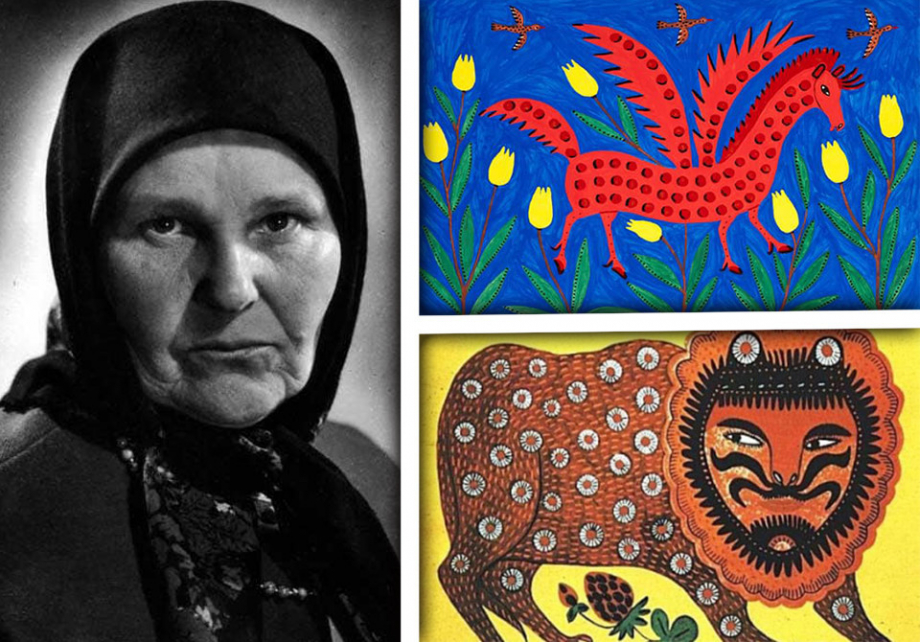
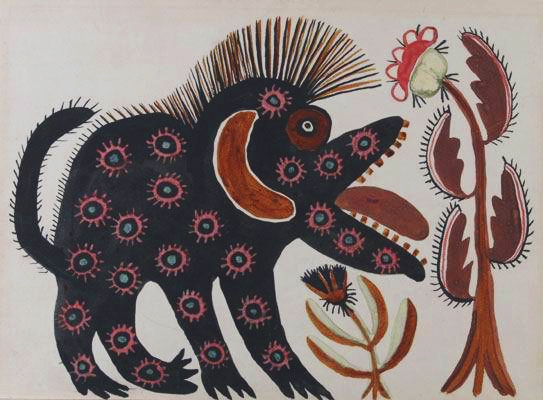
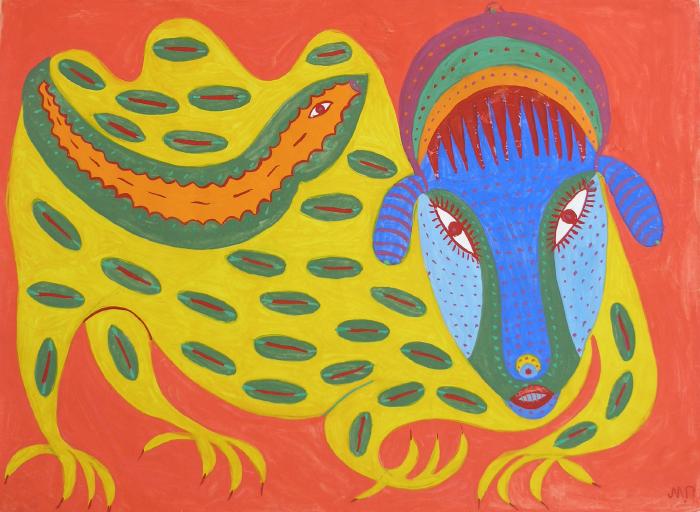
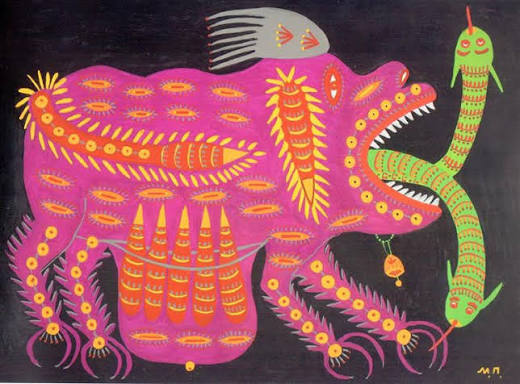
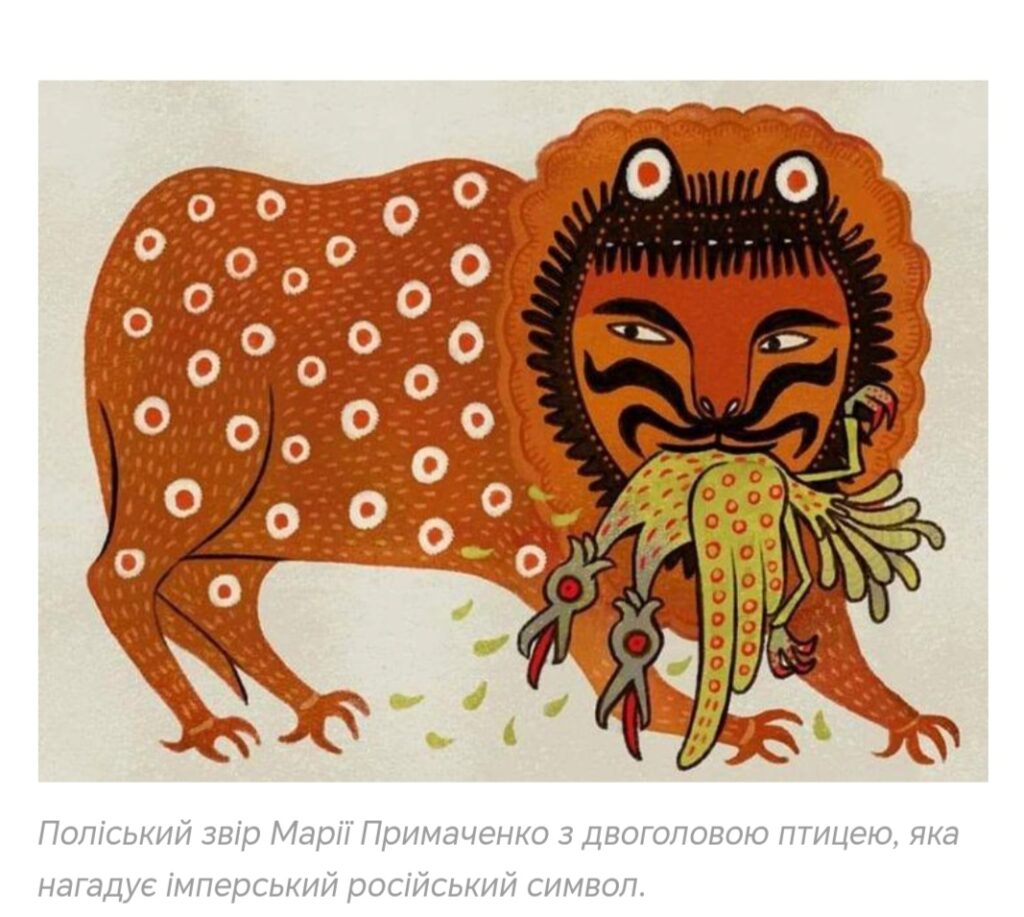
With her extraordinary imaginary animals, radiant flowers, and vivid colours, Maria Prymachenko created one of the most recognisable visual worlds in twentieth-century art. Her paintings combine folklore, humour, wisdom, and boundless imagination, making her one of Ukraine’s most celebrated artists.
Kateryna Bilokur
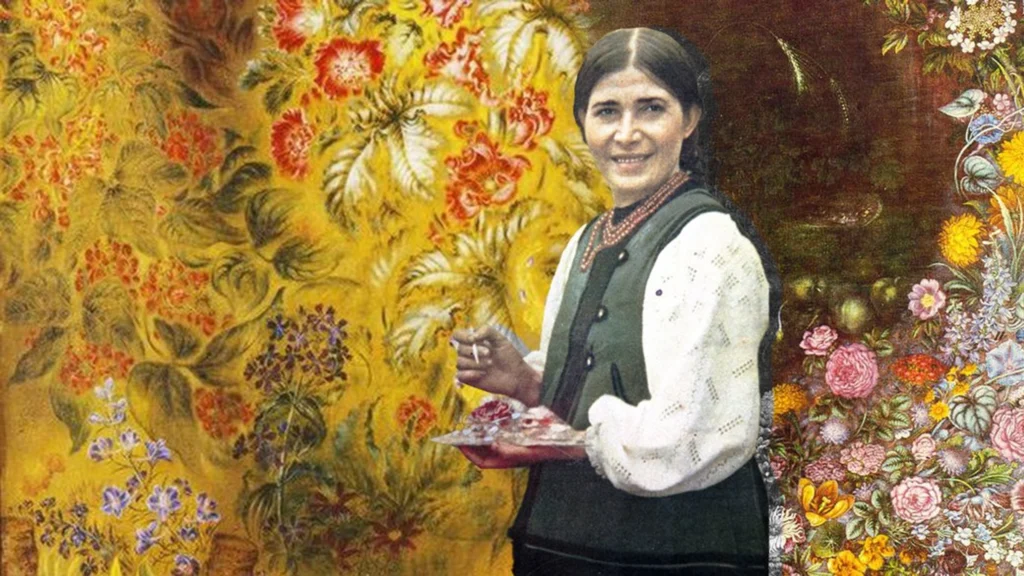
Without formal artistic education, Kateryna Bilokur painted flowers with astonishing sensitivity and botanical precision.
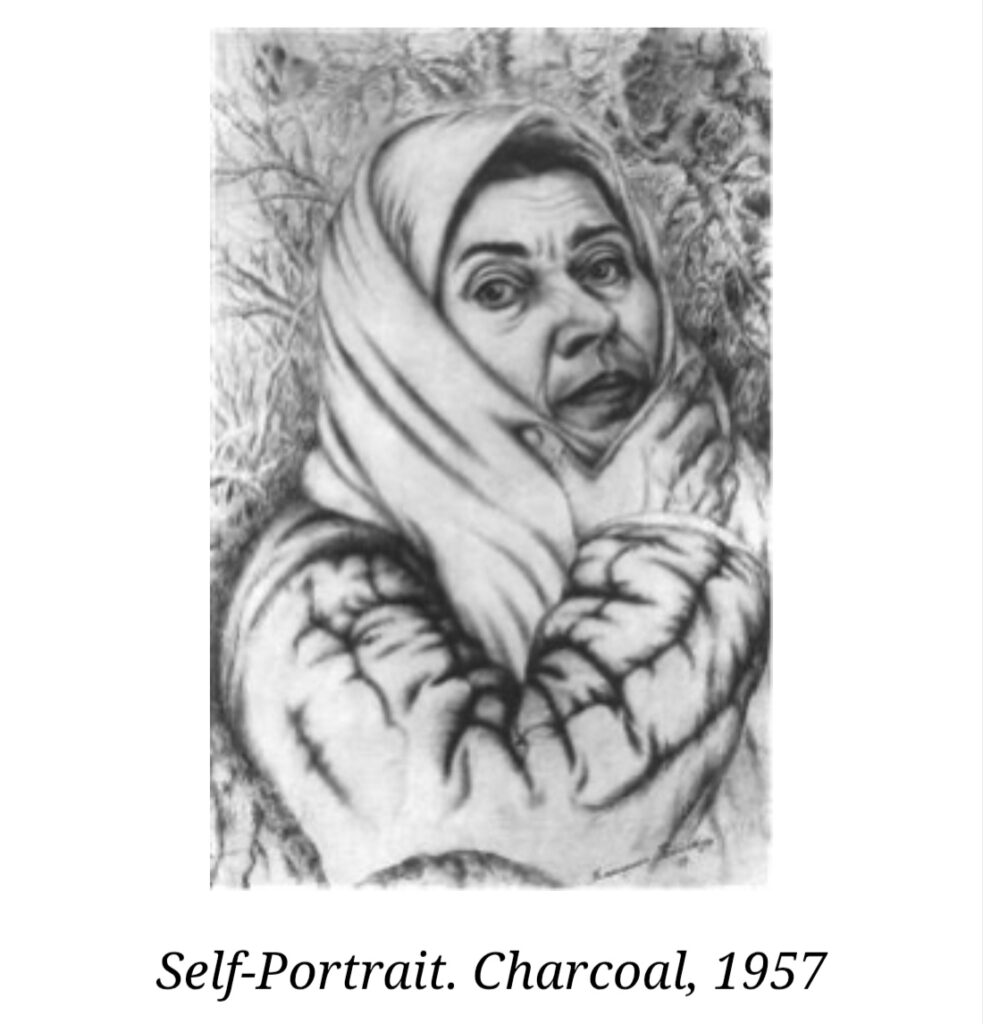
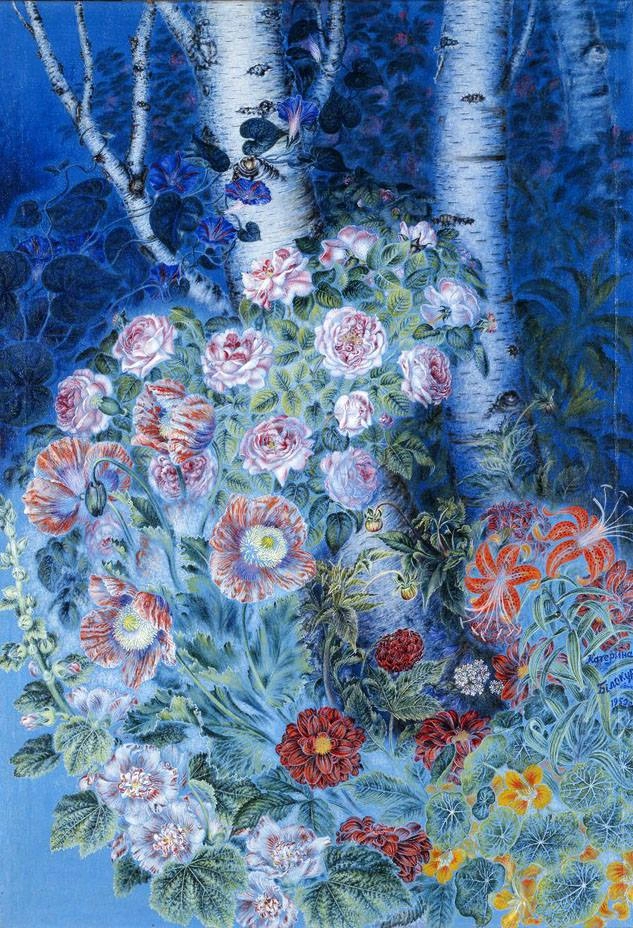
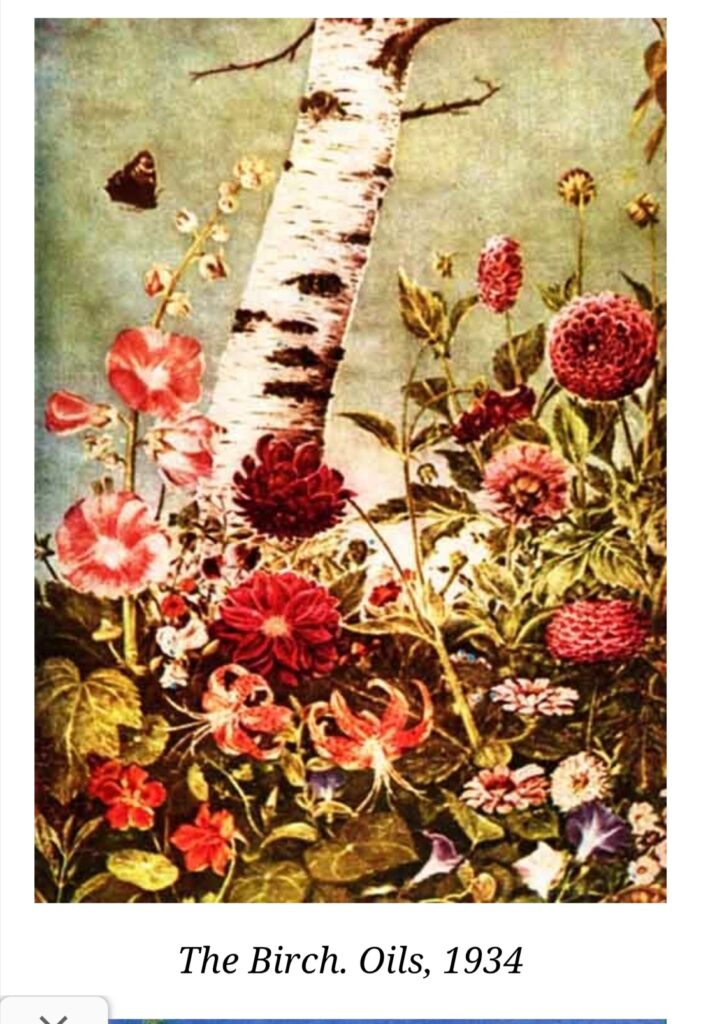
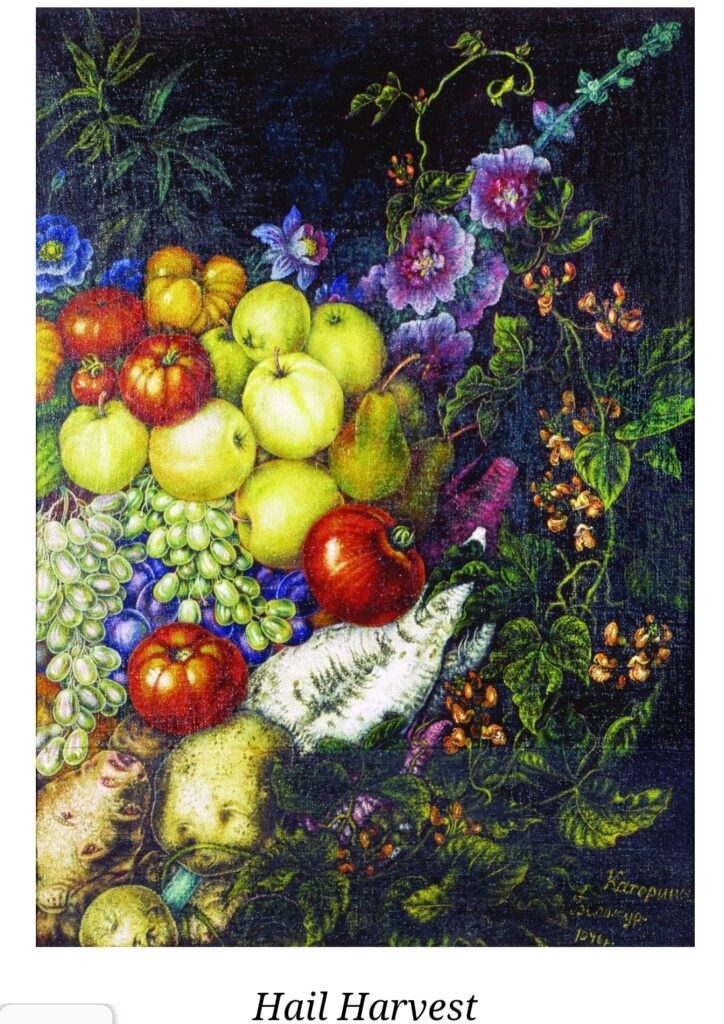
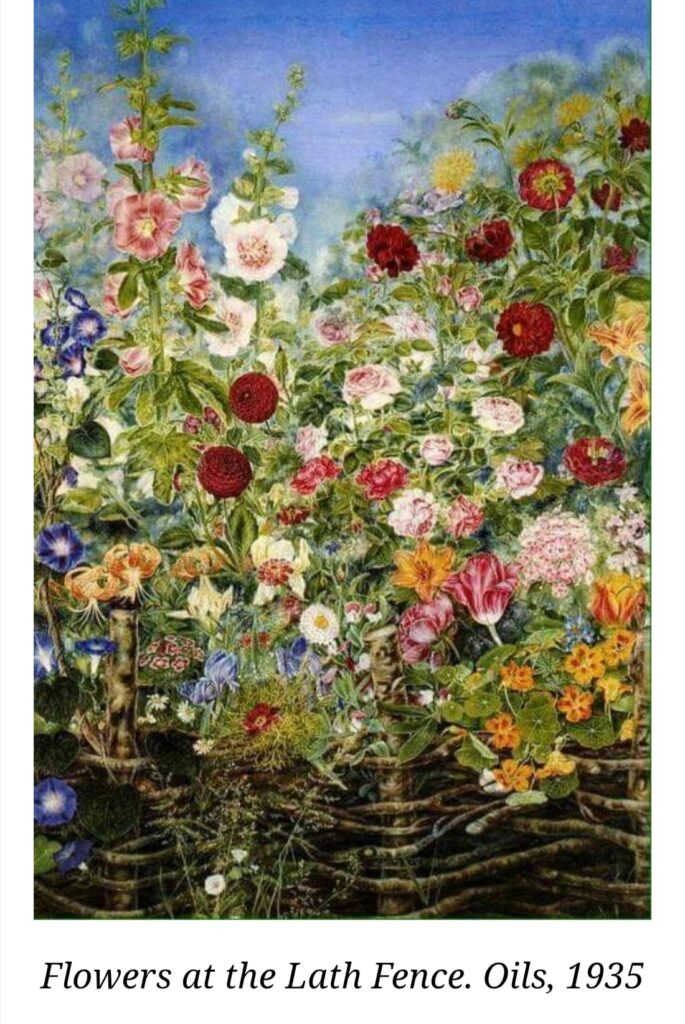
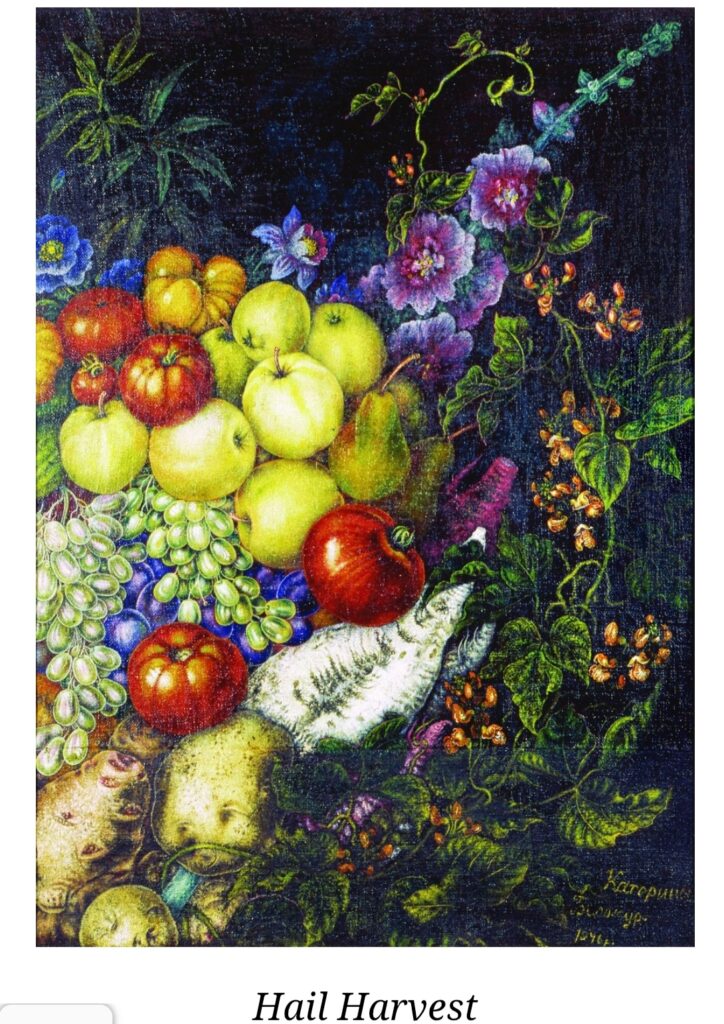
Her works reveal a profound love for nature and remain among the finest floral paintings in European art.
Polina Raiko
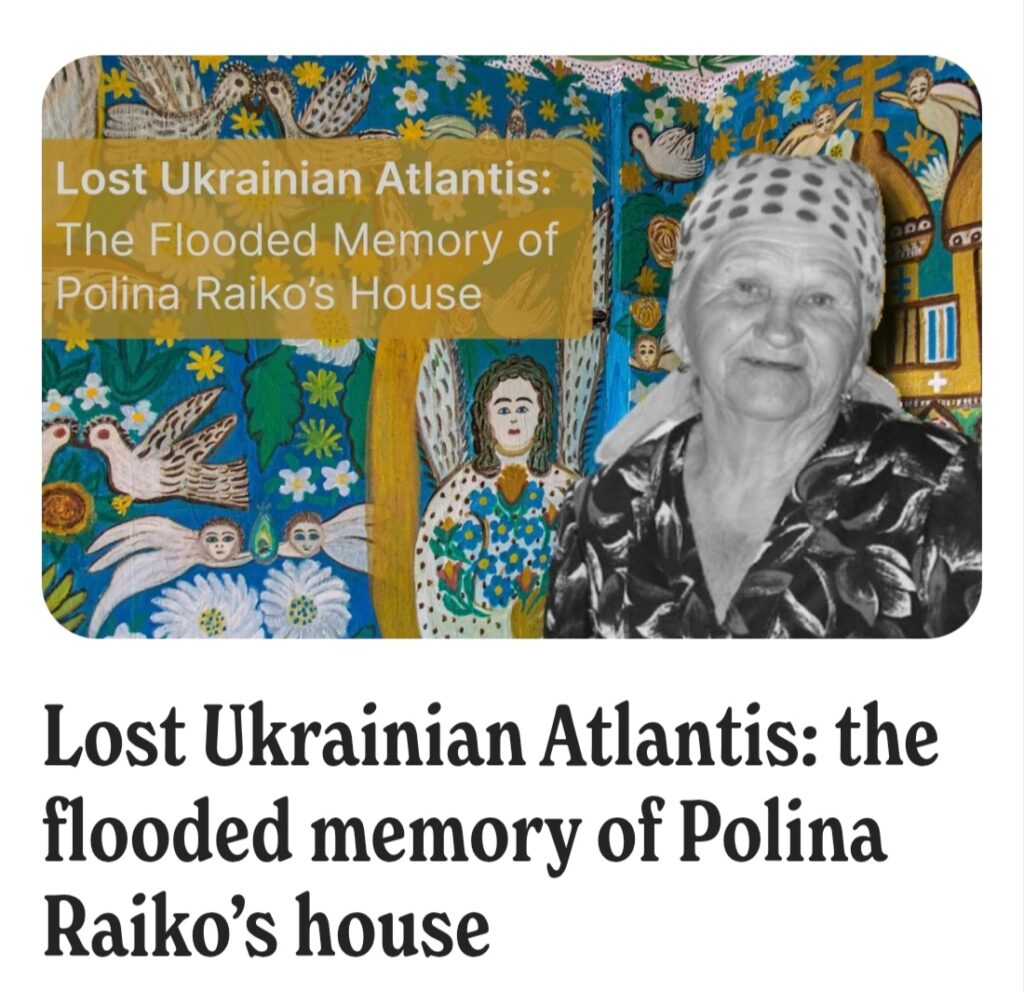
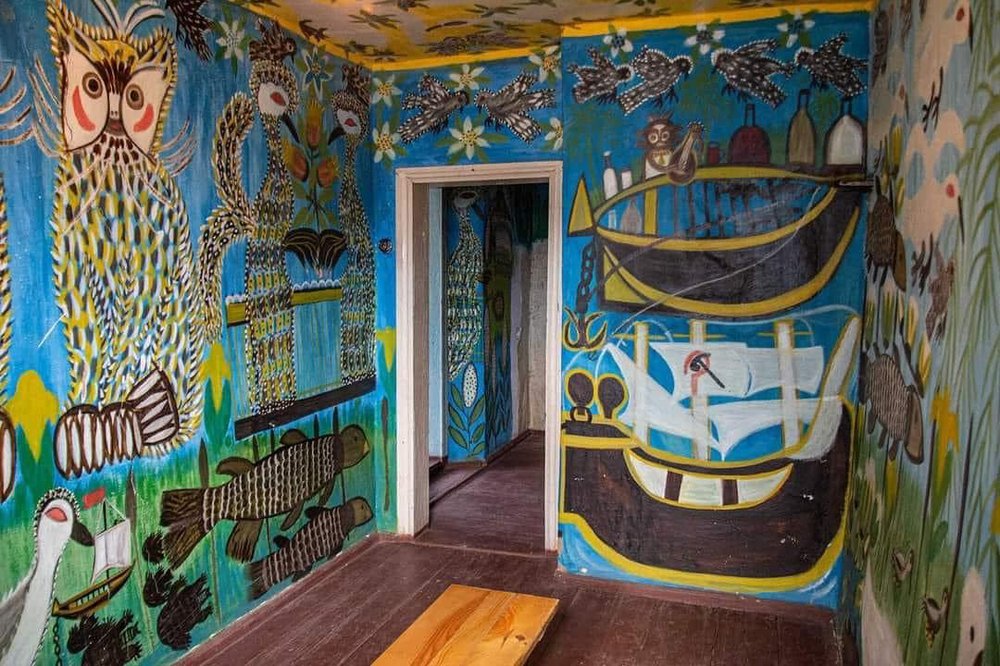
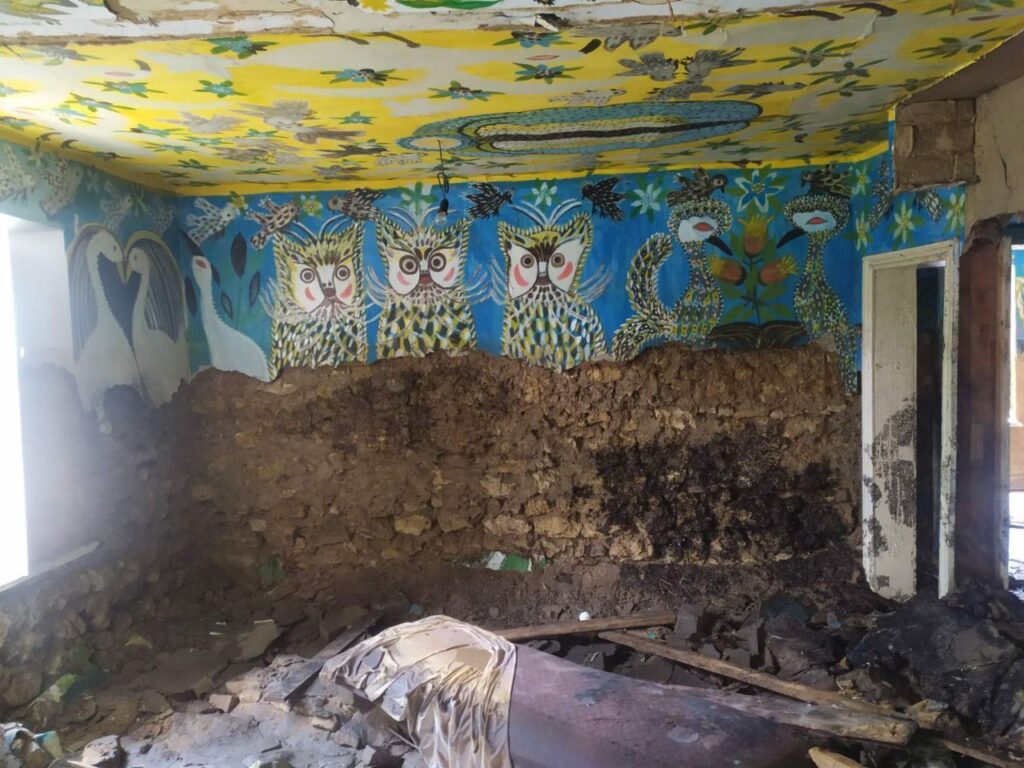
Polina Raiko began painting late in life after experiencing profound personal loss. She transformed her own home into a living work of art, covering its walls, ceilings, and doors with deeply personal images inspired by memory, faith, dreams, and everyday life.
Paraska Plytka-Horytsvit
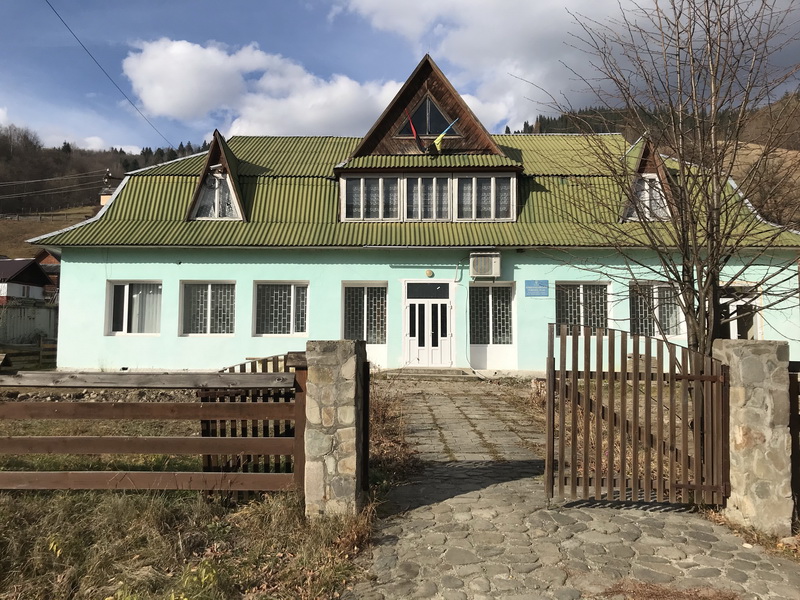
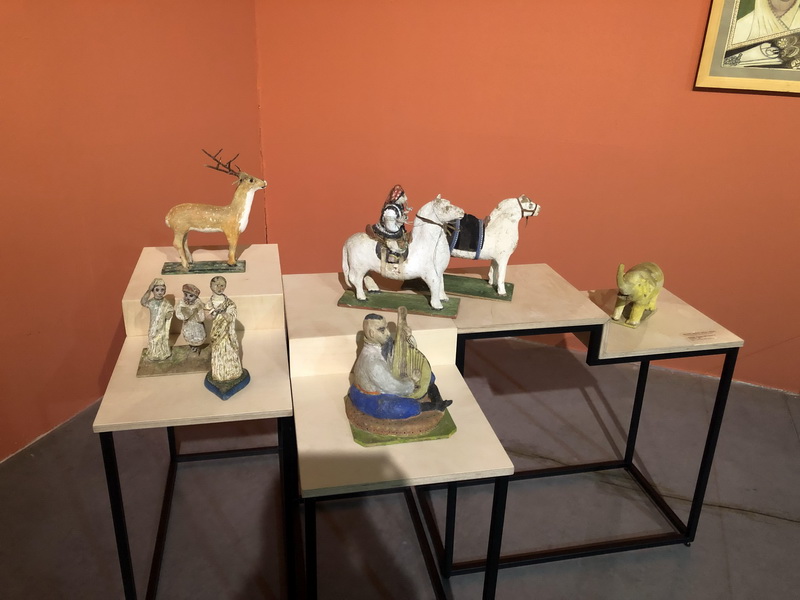
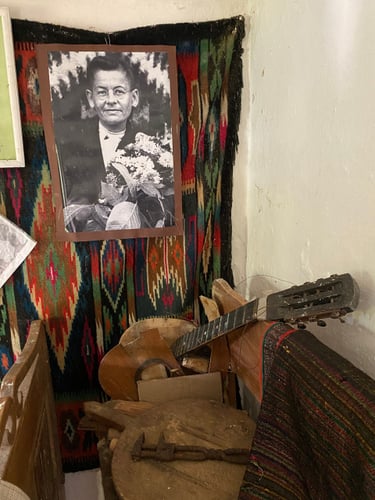
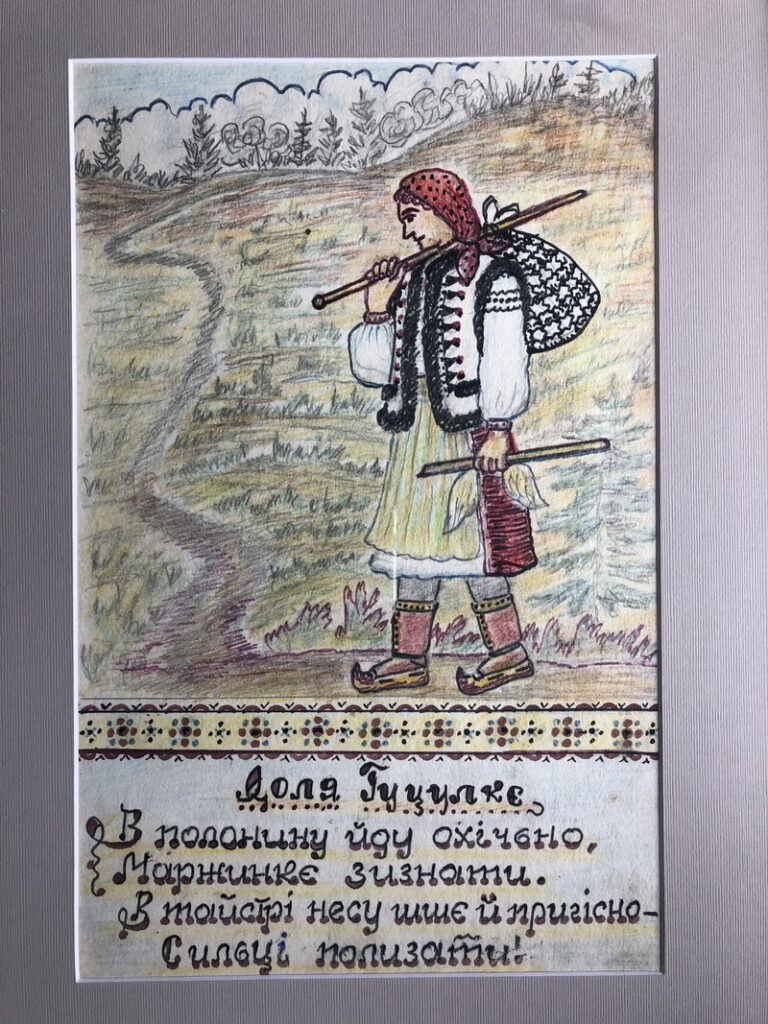
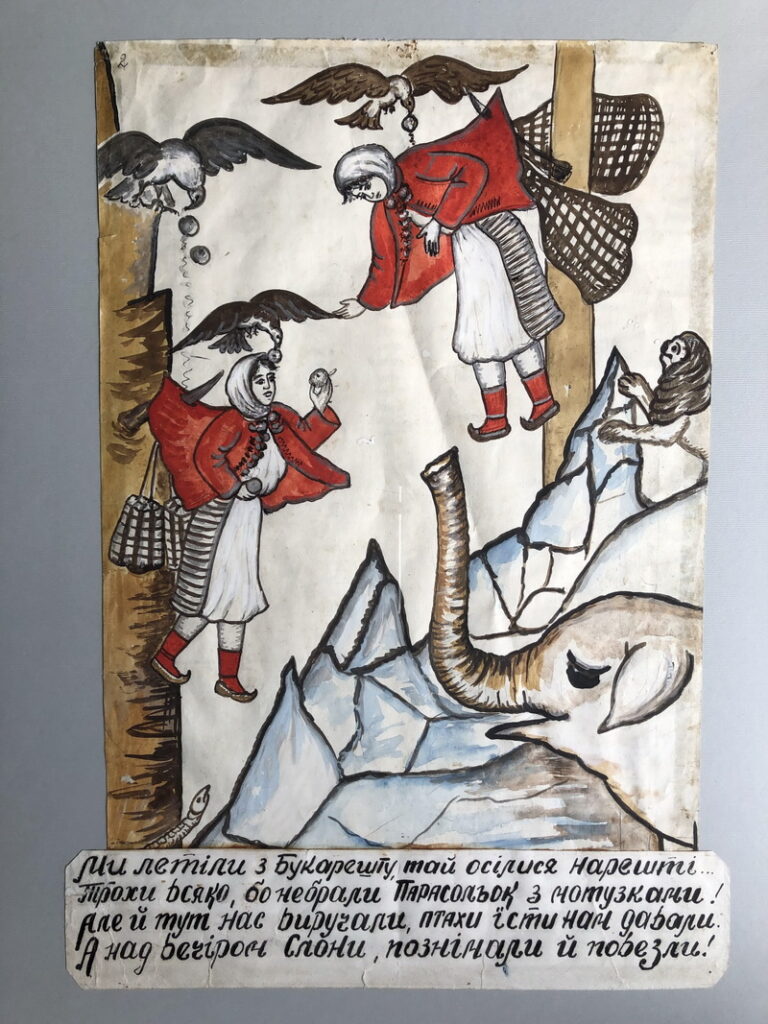
Writer, photographer, philosopher, and self-taught artist from the Carpathian Mountains, Paraska Plytka-Horytsvit created a unique visual universe where Hutsul traditions, spirituality, and imagination came together in remarkable harmony.
Nikifor Drovniak
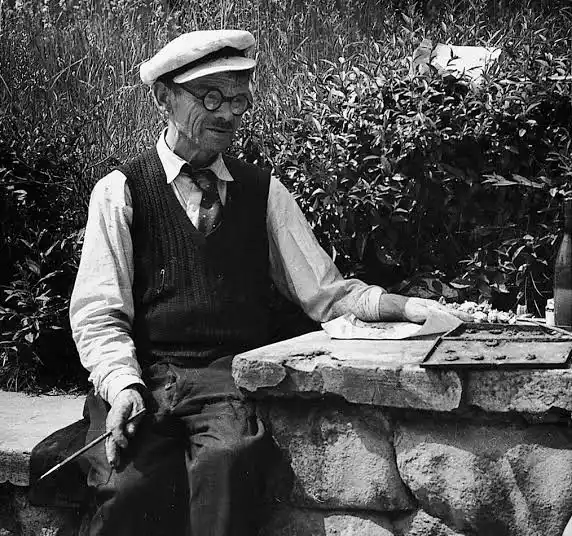
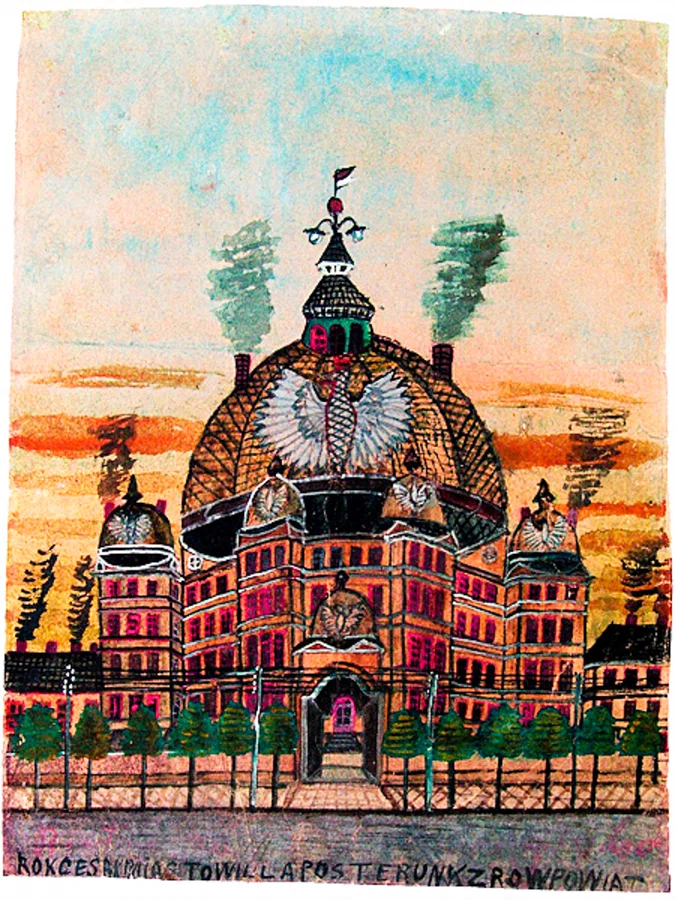
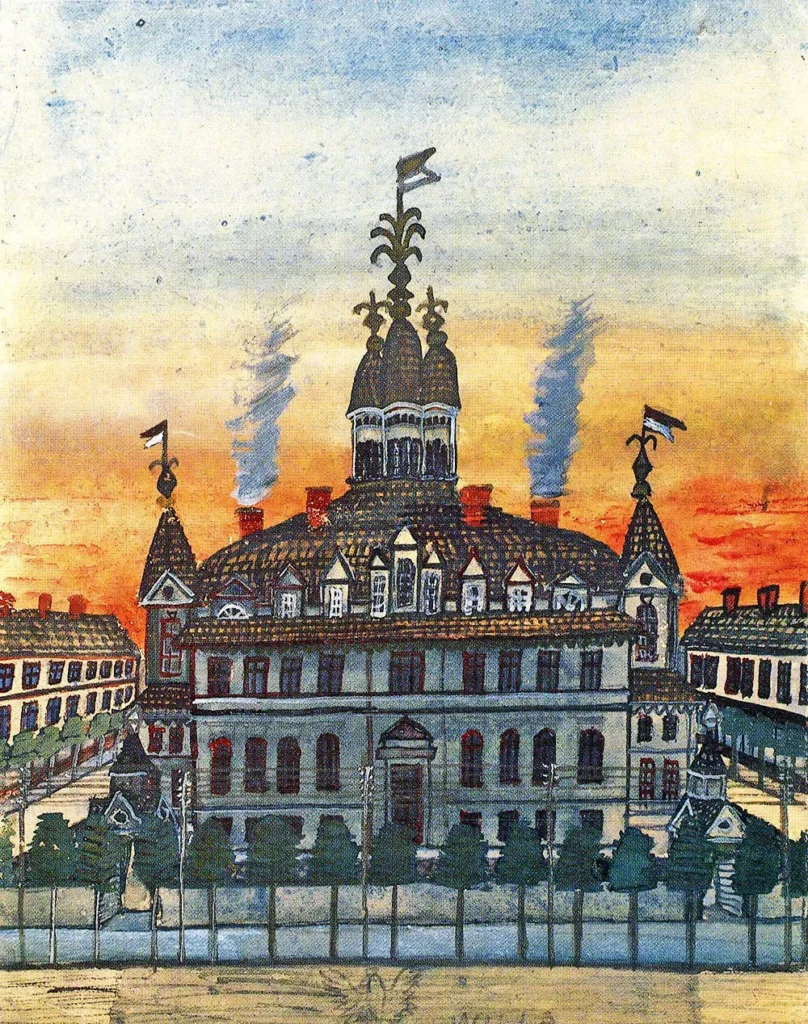
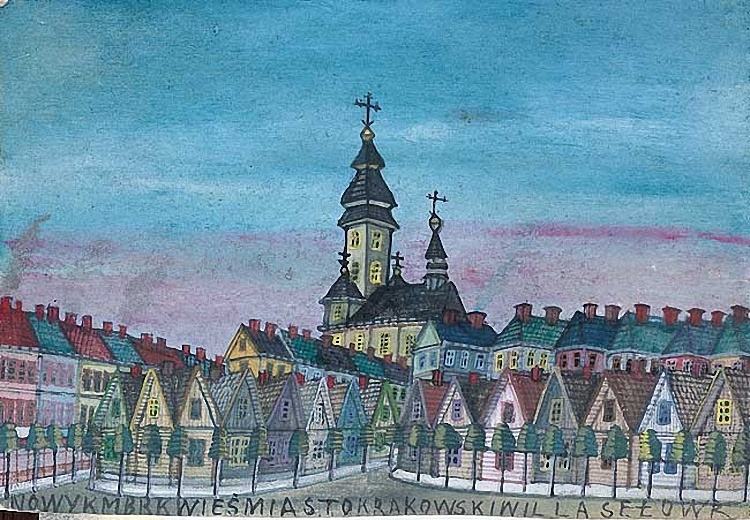
One of Europe’s most remarkable self-taught artists, Nikifor Drovniak devoted his life to painting small watercolours depicting churches, towns, landscapes, and ordinary people. Today his works are treasured in museum collections across Europe.
Hanna Sobachko-Shostak
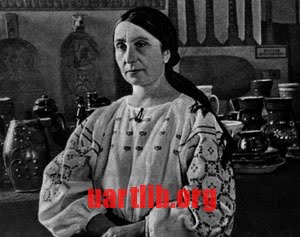
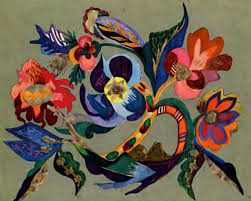
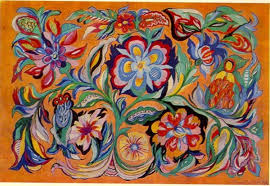
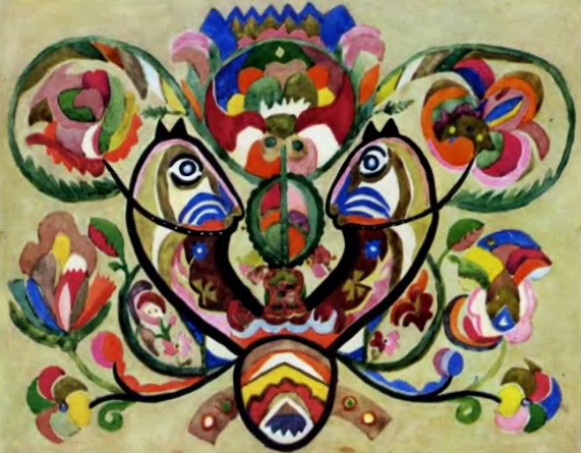
Known for her extraordinary decorative compositions, Hanna Sobachko-Shostak transformed traditional Ukrainian floral ornament into a poetic and highly personal artistic language that continues to inspire contemporary artists.
A Living Heritage
Ukrainian Naïve Art does not seek complexity for its own sake.Instead, it celebrates the extraordinary beauty of ordinary life.It reminds us that great art does not always emerge from prestigious academies or famous studios.Sometimes, it grows quietly in a village garden, inside a whitewashed cottage, or in the heart of someone who simply feels an irresistible need to create.And perhaps that is why, today, the world is finally beginning to discover its timeless beauty.
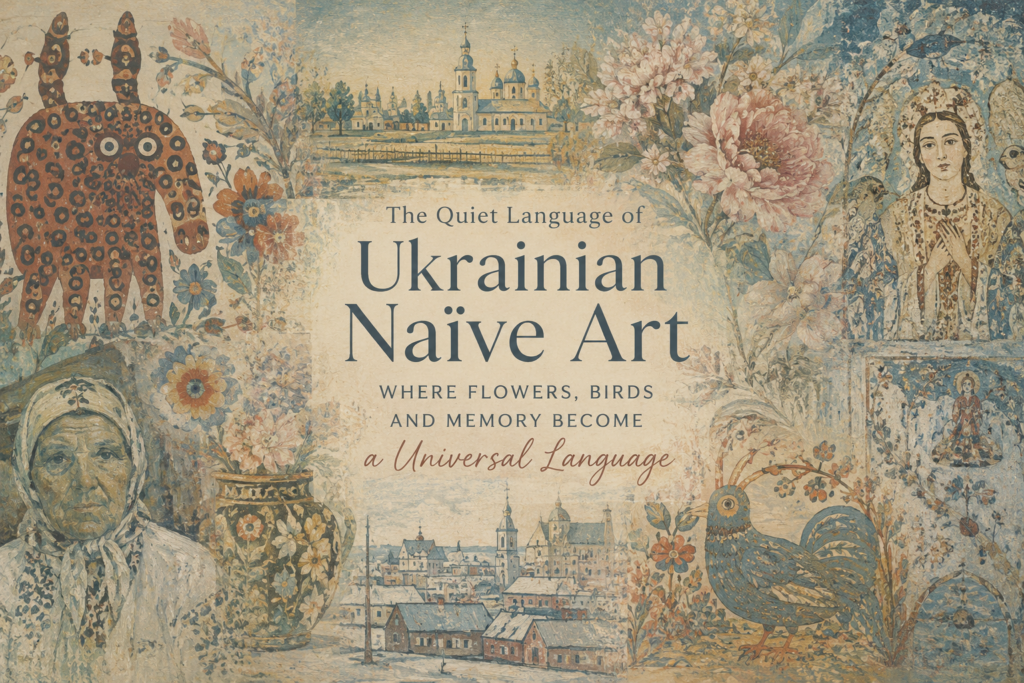
Ukrainian Naïve Art: Where Flowers, Birds and Memory Become a Universal Language
Acknowledgements
This article was inspired by reflections shared by Ukrainian journalist and public intellectual Vitalii Portnikov, whose thoughts on the unique spirit of Ukrainian Naïve Art encouraged me to begin exploring this remarkable cultural heritage more deeply.
This is only the beginning.In the coming months, this article will grow into an ongoing series dedicated to the hidden treasures of Ukrainian art—introducing remarkable painters, folk traditions, ceramics, museums, and cultural heritage that deserve far greater international recognition.
As a contemporary Ukrainian artist, I hope this project will help more people around the world discover the beauty, depth, and resilience of Ukrainian culture.
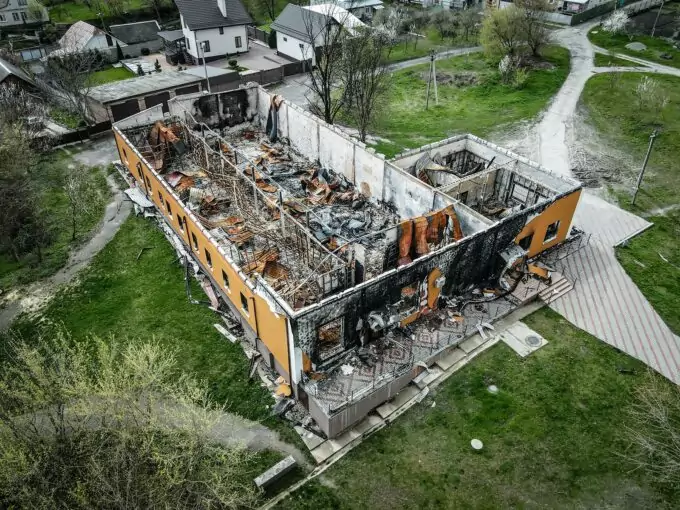
Some of these treasures have already been lost.
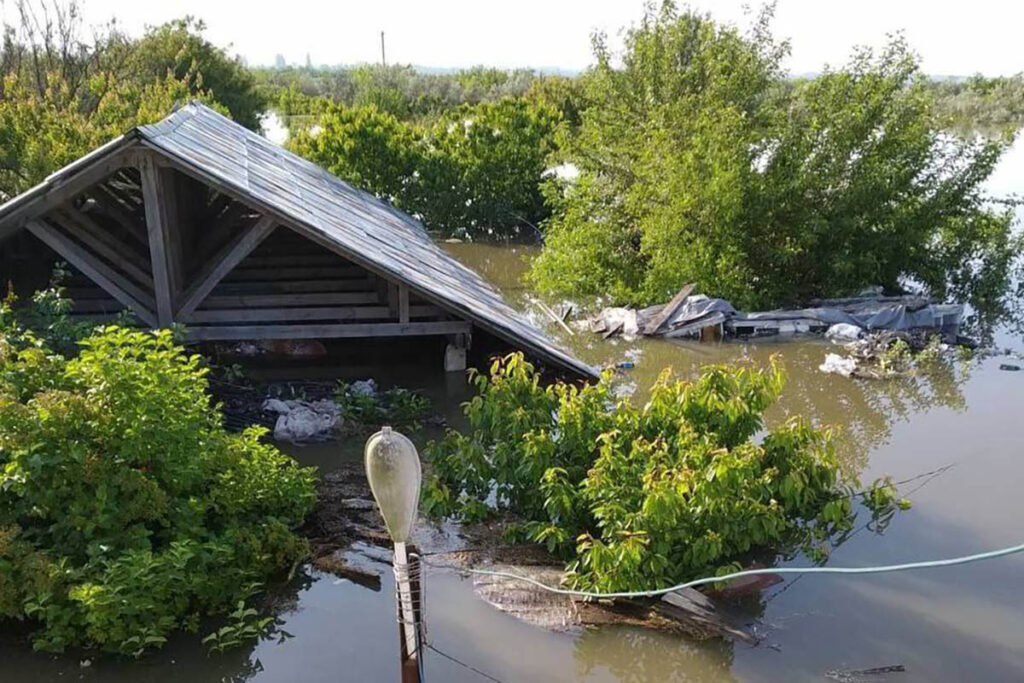
In 2023, after Russian forces destroyed the Kakhovka Dam, the extraordinary painted house of Polina Raiko was flooded.
The murals she had created over many years—covering the walls, ceilings, and doors of her home—were severely damaged by the water.
Yet even when buildings are destroyed, culture does not disappear.
It survives in photographs, memories, museum collections, research, and in the people who continue to tell these stories.
Perhaps that is why preserving and sharing Ukrainian art has become more important than ever.
russia can destroy buildings.It cannot erase memory.As long as people continue to discover, study, and share Ukrainian art, its spirit will endure.